Toxic Mold in Paradise Valley: Symptoms, Risks, and Solutions
Toxic mold isn’t just an eyesore—it’s a silent threat lurking in damp corners of Paradise Valley homes. Recognizing the signs early can mean the difference between a simple cleanup and a full-scale remediation. Our team helps homeowners identify risks and restore safe, breathable spaces.
What Qualifies as Toxic Mold?
Not all mold is ‘toxic,’ but certain species like Stachybotrys chartarum (black mold) produce mycotoxins that pose serious health risks. These toxins can become airborne and infiltrate your home’s air supply.
Other culprits include Aspergillus, Chaetomium, and Fusarium—common in water-damaged areas. Even non-toxic mold can trigger allergies or asthma, so professional identification is key.
Visible mold is often just the tip of the iceberg. Hidden colonies behind walls or under flooring can spread undetected, worsening indoor air quality over time.
Common Symptoms of Toxic Mold Exposure
Chronic coughing, sneezing, or sinus congestion that lingers indoors may signal mold exposure. Skin rashes, itchy eyes, and throat irritation are also frequent complaints.
Long-term exposure can lead to more severe issues: neurological symptoms like headaches or memory loss, respiratory distress, or immune system suppression. Children, the elderly, and those with pre-existing conditions are most vulnerable.
Where Toxic Mold Thrives in Paradise Valley Homes
Our arid climate doesn’t stop mold—it thrives in microclimates we create. Poorly ventilated bathrooms, leaky pipes under sinks, and condensation around windows are prime breeding grounds.
Attics and crawl spaces often harbor hidden mold due to roof leaks or improper insulation. Basements, though rare in Paradise Valley, can develop issues if moisture barriers fail.
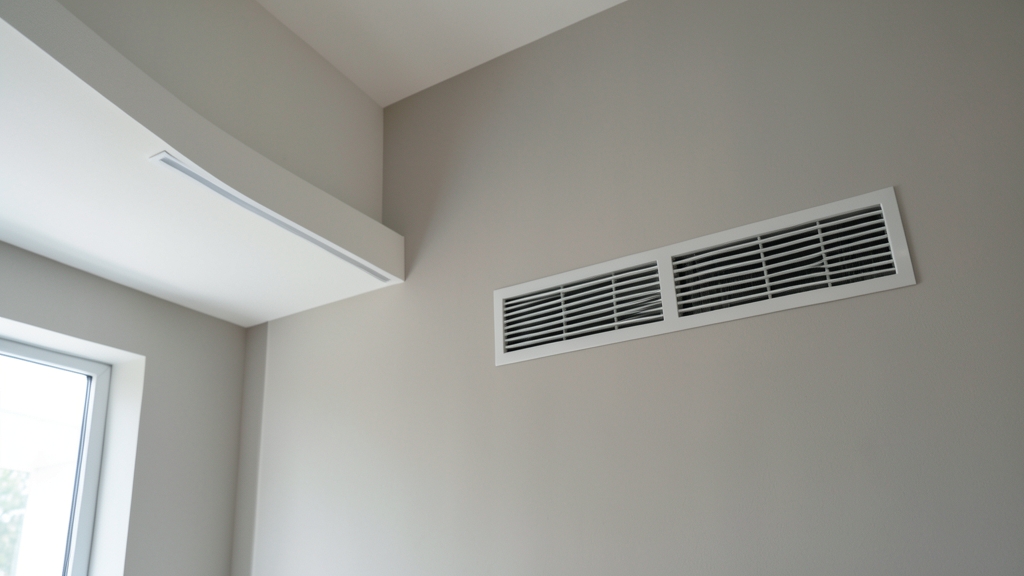
Don’t overlook HVAC systems. Mold in ductwork spreads spores throughout the home, especially if filters aren’t replaced regularly or coils accumulate moisture.
| Area | Typical Cause | Risk Level |
|---|---|---|
| Attics | Roof leaks or poor ventilation | High |
| Bathrooms | Lack of exhaust fans or leaks | Medium |
| Under sinks | Plumbing leaks or standing water | Medium |
| HVAC systems | Moisture in ducts or coils | High |
| Crawl spaces | Ground moisture or poor drainage | High |
| Basements (older homes) | Seepage or humidity | Medium |
Why Paradise Valley’s Climate Fuels Mold Growth
Monsoon season brings sudden humidity spikes, creating ideal conditions for mold to take hold within 24–48 hours of water exposure. Even dry periods can’t reverse damage if moisture remains trapped.
Older homes in neighborhoods like Clearwater Hills or Camelback Mountain may lack modern vapor barriers, making them more susceptible. Newer builds in areas like Cholla Heights aren’t immune—poor construction practices or DIY repairs can introduce risks.
Health Risks: Who’s Most at Risk?
Individuals with asthma, allergies, or weakened immune systems face heightened risks. Mycotoxins from toxic mold can exacerbate symptoms or trigger new sensitivities over time.
Pets are also vulnerable. Dogs and cats may develop skin issues, respiratory problems, or unexplained lethargy if exposed to contaminated environments.
Prolonged exposure in severe cases has been linked to chronic inflammatory responses. Early intervention is critical to prevent long-term health complications.
If health issues improve when you’re away from home but return upon re-entry, mold could be the culprit. A professional inspection can confirm the source.
DIY vs. Professional Mold Remediation
Small, surface-level mold (under 10 square feet) on non-porous materials like tile or glass can sometimes be tackled with proper safety gear and EPA-approved cleaners. But porous materials like drywall or carpet often require removal.
For toxic mold or large infestations, professional remediation is non-negotiable. Our team uses containment barriers, HEPA filtration, and antimicrobial treatments to ensure spores don’t spread during cleanup.
The Remediation Process: What to Expect
First, we conduct a thorough inspection and testing to identify the mold type and extent of the infestation. Air quality tests help determine if spores have spread beyond the visible area.
Containment is critical. We seal off affected areas with plastic sheeting and use negative air pressure to prevent cross-contamination. All moldy materials are safely removed and disposed of according to local regulations.
After removal, we treat the area with antimicrobial solutions to kill remaining spores and prevent regrowth. HEPA vacuums and air scrubbers ensure the space is clean and safe for reentry.
Preventing Mold Recurrence in Arizona Homes
Controlling humidity is the first line of defense. Use dehumidifiers in damp areas and ensure bathrooms, kitchens, and laundry rooms are well-ventilated. Aim to keep indoor humidity below 50%.
Regularly inspect for leaks in roofs, pipes, and appliances. Address water damage immediately—even small drips can lead to major mold problems if left unchecked.
In attics and crawl spaces, proper insulation and vapor barriers are essential. For homes in Scottsdale or Cave Creek, where dust and debris can clog gutters, routine maintenance prevents water from pooling near the foundation.
Mold Prevention Checklist
- Fix leaks in roofs, pipes, and windows promptly
- Use exhaust fans in bathrooms and kitchens
- Replace HVAC filters every 1–3 months
- Inspect attics and crawl spaces annually for moisture
- Clean and dry water-damaged areas within 24–48 hours
- Ensure proper grading around the home to divert water away from the foundation
How to Test for Toxic Mold in Your Home
If you suspect toxic mold, follow these steps to confirm its presence before taking action.
- 1Visual Inspection
Check for visible mold in common hotspots like bathrooms, basements, and around windows. Look for discoloration, water stains, or a musty odor.
- 2Use a Home Test Kit
DIY mold test kits are available at hardware stores. These provide surface or air samples you can send to a lab for analysis. Note: these are less reliable than professional testing.
- 3Hire a Professional Inspector
For accurate results, schedule a professional mold inspection. We use advanced tools like moisture meters, thermal imaging, and air sampling to detect hidden mold.
- 4Interpret the Results
Lab reports will identify mold types and spore counts. Compare these to outdoor baseline levels to determine if remediation is necessary.
- 5Develop a Remediation Plan
Based on the findings, we’ll outline a customized plan to safely remove the mold and prevent its return. Always address the moisture source first.
Frequently Asked Questions
How can I tell if the mold in my Paradise Valley home is toxic?
Toxic mold often appears dark green or black and has a slimy texture, but visual identification isn’t reliable. Professional testing is the only way to confirm if it’s a toxic species like Stachybotrys. If you or your family experience unexplained health symptoms, it’s best to assume it’s harmful until proven otherwise.
Can toxic mold return after remediation?
Yes, if the underlying moisture issue isn’t resolved. That’s why our remediation process always includes identifying and fixing the source of water intrusion. Without addressing humidity or leaks, mold can regrow within weeks.
Is mold more common in older or newer homes in Paradise Valley?
Older homes often lack modern moisture barriers and ventilation, making them more prone to mold. However, newer homes in areas like Scottsdale or Carefree can also develop issues if built with subpar materials or poor drainage. Regular inspections are key for all homes.
What should I do if I find mold in my HVAC system?
Turn off the system immediately to prevent spores from spreading. HVAC mold requires professional remediation, as DIY attempts can dislodge spores and worsen contamination. We’ll clean or replace affected components and ensure the system is mold-free before restarting it.
Are there any local regulations for mold remediation in Arizona?
Arizona doesn’t have state-specific mold remediation laws, but we follow EPA guidelines and industry best practices. Proper containment, disposal, and documentation are critical to ensure safety and compliance. Always hire a licensed professional for toxic mold removal.
Does homeowners insurance cover toxic mold remediation in Paradise Valley?
Coverage varies by policy. Most standard policies cover mold remediation if it’s the result of a ‘covered peril’ like a burst pipe. However, they often exclude mold caused by neglect or long-term humidity issues. Review your policy and request a quote from us to understand potential out-of-pocket costs.