The Science Behind Effective Mold Remediation in Paradise Valley
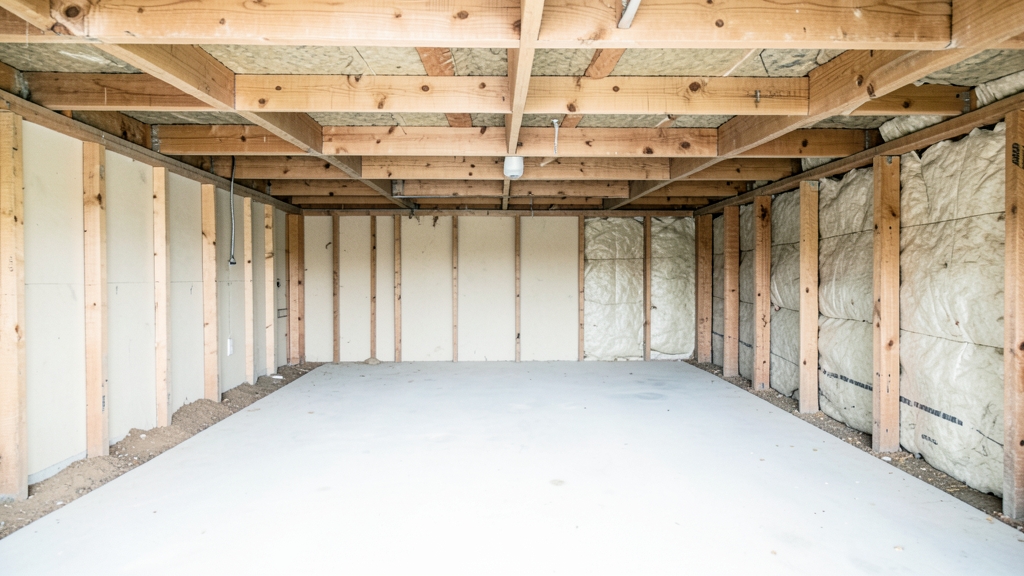
Mold isn’t just an eyesore—it’s a biological invader that thrives in the unique climate of our region. Effective remediation requires more than bleach and elbow grease; it demands a scientific approach to eliminate spores at the source and prevent their return. Our team combines microbiology, moisture control, and advanced remediation techniques to restore safety and peace of mind.
Why Mold Thrives in Our Desert Climate
Paradise Valley’s monsoon seasons and occasional humidity spikes create ideal conditions for mold growth. Even in arid climates, hidden moisture from leaks, poor ventilation, or AC condensation can fuel infestations in walls, attics, or crawl spaces.
Mold spores are everywhere, but they only colonize when moisture, organic material (like drywall or wood), and stagnant air align. In homes across Scottsdale and Cave Creek, we often trace outbreaks to undetected water damage or improperly sealed basements.
Mold often grows behind baseboards, under flooring, or inside HVAC ducts. Without professional testing, you might not know it’s there until it’s widespread.
The Biology of Mold: What You’re Really Up Against
Mold is a fungus that reproduces via microscopic spores, which can remain dormant for years until conditions are right. Common indoor species like Aspergillus and Stachybotrys (black mold) release mycotoxins that may trigger allergies, respiratory issues, or neurological symptoms.
Spores spread through air currents, HVAC systems, or even on clothing. This is why containment is critical during remediation—disturbing mold without proper barriers can contaminate other areas of your home.
Step-by-Step: How Professional Remediation Differs from DIY
DIY mold removal often fails because it addresses surface growth without tackling the root cause: moisture. Bleach kills surface mold but doesn’t penetrate porous materials like drywall or wood, where spores can regrow.
Our process starts with a thorough mold inspection and air quality testing to identify the species and extent of contamination. We use moisture meters and thermal imaging to detect hidden water sources that feed the problem.
| Aspect | DIY Approach | Professional Approach |
|---|---|---|
| Detection | Visual inspection only | Air quality testing, moisture mapping, thermal imaging |
| Containment | None or minimal | Sealed barriers, negative air pressure |
| Removal | Surface cleaning with bleach | HEPA vacuuming, antimicrobial treatments, material removal |
| Prevention | Limited or none | Moisture control, encapsulation, HVAC cleaning |
| Safety | Risk of exposure to spores/mycotoxins | PPE, filtered air systems, post-remediation verification |
Containment: The First Line of Defense
Before removing a single spore, we establish containment to prevent cross-contamination. This involves sealing off the affected area with plastic sheeting and using negative air pressure machines to ensure spores don’t escape into clean zones.
For large or toxic infestations—common in commercial properties or older homes in Carefree—we may deploy air scrubbers with HEPA filters to capture airborne spores during the remediation process.
This technique uses fans to pull air *into* the contained area, ensuring any disturbed spores are filtered out rather than pushed into living spaces.
Removal Techniques: Beyond the Surface
Non-porous surfaces like glass or metal can often be cleaned with antimicrobial solutions. But porous materials—drywall, insulation, carpeting—usually require removal and replacement, as spores embed deep within.
In attics or crawl spaces, we may use encapsulation (sealing surfaces with mold-resistant coatings) to prevent future growth. This is especially effective in Phoenix-area homes with chronic humidity issues.
Moisture Control: The Key to Long-Term Prevention
Mold will return if moisture isn’t addressed. We identify and fix the source—whether it’s a leaky pipe, poor drainage, or condensation from AC units. Dehumidifiers and improved ventilation are often part of the solution.
In basements or crawl spaces, we may install vapor barriers or sump pumps. For commercial properties, we assess HVAC systems for condensation buildup, a common culprit in Scottsdale and Paradise Valley.
Moisture Control Checklist
- Fix leaks in roofs, pipes, or windows immediately
- Ensure proper grading around the foundation to divert water
- Use exhaust fans in bathrooms and kitchens
- Maintain indoor humidity below 50% with dehumidifiers
- Inspect HVAC drip pans and drain lines regularly
- Seal crawl spaces and attics with vapor barriers
Post-Remediation Verification: Ensuring Success
Remediation isn’t complete until we confirm the mold is gone. We conduct follow-up air quality testing to ensure spore counts have returned to normal levels. This step is critical for homes with immune-compromised residents or commercial spaces with strict health standards.
In Paradise Valley, where dust storms can reintroduce spores, we also recommend periodic inspections, especially after monsoon season or water damage events.
When to Call a Professional: Red Flags in Your Home
Not all mold requires professional intervention, but some signs are serious. Visible black mold, a musty odor that won’t go away, or mold covering more than 10 square feet are clear indicators.
Other red flags include water stains on ceilings or walls, peeling paint, or unexplained health symptoms like chronic coughs or headaches. In commercial settings, any mold suspicion should prompt a professional assessment to avoid liability and health risks.
How to Prepare for Professional Mold Remediation
Taking these steps before our team arrives can streamline the process and protect your belongings.
- 1Clear the Affected Area
Remove furniture, decor, and personal items from the contaminated space. If items can’t be moved, cover them with plastic sheeting.
- 2Turn Off HVAC Systems
Prevent spores from spreading through vents by shutting down heating and cooling systems in the affected area.
- 3Identify Moisture Sources
Note any leaks, condensation, or water damage you’ve observed. This helps our team pinpoint the root cause faster.
- 4Protect Pets and Children
Keep pets, kids, and anyone with respiratory issues away from the area until remediation is complete.
- 5Provide Access to Key Areas
Ensure our team can access attics, crawl spaces, basements, or mechanical rooms where mold may be hiding.
Frequently Asked Questions
How long does mold remediation typically take in Paradise Valley?
The timeline depends on the size and severity of the infestation. Small, contained areas may take 1-3 days, while large or complex jobs—like attic or crawl space remediation—can take a week or more. Moisture control and drying time also factor in.
Is black mold more dangerous than other types?
Stachybotrys (black mold) produces mycotoxins that can cause health issues, but all mold should be treated seriously. The CDC advises removing any mold growth, regardless of type, as it can trigger allergies or respiratory problems.
Can mold come back after remediation?
Yes, if the moisture source isn’t addressed. That’s why our process includes identifying and fixing the root cause—whether it’s a leak, poor ventilation, or high humidity. We also offer mold prevention plans for ongoing protection.
Do I need to leave my home during remediation?
For small, contained projects, you may not need to relocate. However, for large infestations or toxic mold, we recommend temporary evacuation, especially for vulnerable individuals. Our team will advise you based on the scope of work.
How much does mold remediation cost in Paradise Valley?
Costs vary widely based on factors like the size of the affected area, type of mold, accessibility (e.g., attics or crawl spaces), and whether structural repairs are needed. The only way to get an accurate estimate is to request a quote after a professional inspection.
Does homeowners insurance cover mold remediation?
It depends on your policy and the cause of the mold. Most standard policies cover mold damage if it results from a covered peril, like a burst pipe. However, they often exclude mold caused by long-term neglect or flooding. We recommend checking with your insurer.