How Paradise Valley’s Unique Climate Drives Mold Growth and Inspection Strategies
Paradise Valley’s desert reputation hides a surprising truth: mold thrives here, often unseen, thanks to seasonal humidity swings and modern building practices. We’ve adapted our inspection and remediation methods to the Valley’s unique microclimates—from Cave Creek’s foothills to Scottsdale’s flat roofs—because standard approaches miss local risks.
Why Mold Flourishes in a Desert Climate
Most assume Arizona’s dry air prevents mold, but Paradise Valley’s monsoon season delivers sudden humidity spikes that saturate walls and attics before evaporation can keep up. Even short bursts of moisture can trigger growth within 24–48 hours.
Year-round HVAC use compounds the issue. Poorly maintained systems circulate spores, while condensation in ductwork or around vents creates hidden breeding grounds—especially in homes with slab foundations and stucco exteriors.
Monsoon Season: The Hidden Mold Catalyst
From July to September, Paradise Valley’s humidity can exceed 60%, turning attics and crawl spaces into incubators. Leaks from flat roofs or improperly sealed windows often go unnoticed until mold spreads behind drywall.
Stucco homes, common in Scottsdale and Cave Creek, trap moisture if not properly flashed. We see the most damage in north-facing walls and shaded areas where evaporation slows.
How Local Building Styles Create Mold Hotspots
Flat roofs and minimal eaves—common in mid-century and contemporary Paradise Valley homes—allow water to pool and seep into ceilings. Without proper slope or drainage, even minor storms cause chronic leaks.
Crawl spaces in older neighborhoods like those near Carefree often lack vapor barriers. The desert’s temperature swings cause condensation on cool surfaces, feeding mold on joists and subflooring.
Inspection Methods Tailored to Paradise Valley
Standard visual inspections miss 70% of mold in our area. We combine moisture meters, thermal imaging, and air quality testing to detect hidden colonies in walls, ducts, and under flooring.
Thermal cameras reveal temperature differentials that indicate moisture—critical for stucco homes where leaks travel laterally. Air quality tests capture spore counts, especially after monsoon storms or HVAC failures.
| Method | Best For | Limitations |
|---|---|---|
| Visual Inspection | Surface mold, obvious leaks | Misses hidden growth behind walls or in ducts |
| Moisture Meter | Drywall, wood, subflooring | Requires direct contact; may miss deep penetration |
| Thermal Imaging | Hidden leaks, insulation gaps, duct condensation | Less effective on reflective surfaces like metal |
| Air Quality Testing | Spores in HVAC, attics, crawl spaces | Doesn’t pinpoint source; requires lab analysis |
Attic and Crawl Space: Paradise Valley’s Mold Magnets
Attics here bake in summer, then cool rapidly at night, creating condensation on rafters and decking. Poor ventilation—common in homes built before modern codes—traps this moisture, leading to black mold on plywood and insulation.
Crawl spaces in foothill areas like those bordering Cave Creek often have dirt floors. Without a vapor barrier, ground moisture evaporates upward, saturating floor joists and attracting mold.
If you smell mold in your attic or crawl space, it’s already spreading. These areas often lack airflow, so spores concentrate quickly. Early intervention prevents structural damage.
HVAC Systems: The Overlooked Mold Highway
Paradise Valley homes rely on HVAC year-round, but ductwork is a prime mold vector. Condensation in air handlers or clogged drain lines breeds spores, which then spread through vents to every room.
We recommend annual duct inspections, especially after monsoon season. HEPA filtration can capture spores, but only if the system is properly sealed and maintained.
Replace filters every 1–2 months during monsoon season, and ensure drain pans are clean and sloped. Consider UV lights in air handlers to inhibit mold growth.
When to Call for a Professional Mold Inspection
Visible mold, musty odors, or unexplained allergies are clear signals. But in Paradise Valley, subtle signs like peeling paint near baseboards or condensation on windows warrant a closer look.
After water damage—even from a minor leak—mold can develop within days. We also advise inspections before purchasing a home, especially older properties in Phoenix or Scottsdale with flat roofs or stucco.
Signs You Need a Mold Inspection
- Persistent musty odors, especially after rain
- Water stains on ceilings or walls
- Peeling paint or bubbling wallpaper
- Unexplained respiratory issues or headaches
- Recent water damage (even if dried)
- Condensation on windows or in attics
How to Reduce Mold Risk in Paradise Valley Homes
Proactive steps can prevent costly remediation—especially in our climate.
- 1Control Indoor Humidity
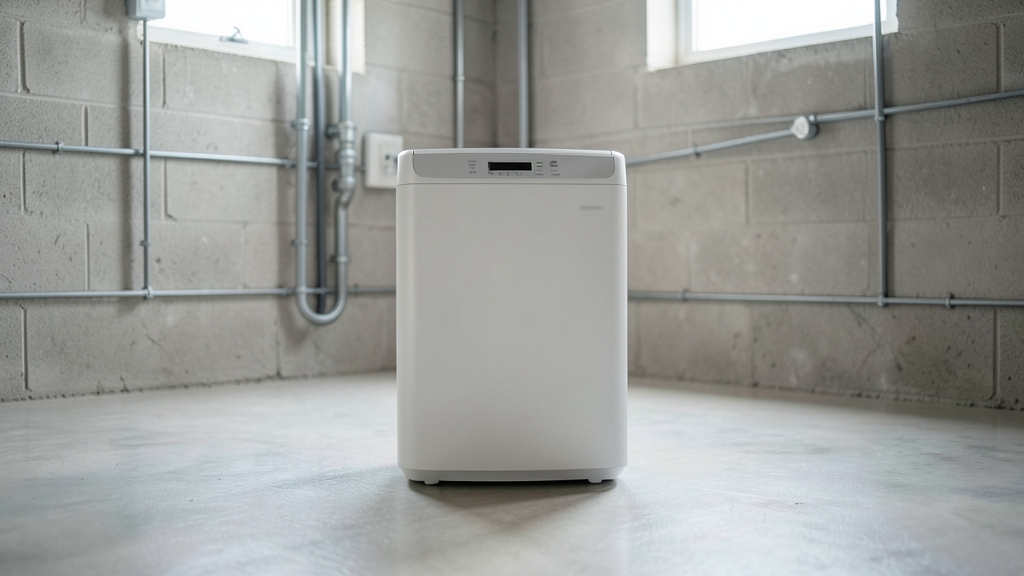
Use dehumidifiers in basements or crawl spaces, and maintain indoor humidity below 50%. Exhaust fans in bathrooms and kitchens are essential, especially during monsoon season.
- 2Inspect and Maintain Your Roof
Check flat roofs for pooling water after storms. Ensure gutters and downspouts direct water away from the foundation—critical for homes in low-lying areas near Scottsdale.
- 3Seal and Ventilate Crawl Spaces
Install a vapor barrier on dirt floors and ensure vents allow airflow. In older homes, consider adding a small dehumidifier to crawl spaces.
- 4Service Your HVAC System
Clean ductwork annually and replace filters regularly. Inspect drain lines and pans for clogs or standing water, which are common in Paradise Valley’s high-use systems.
- 5Monitor for Early Signs
Regularly check attics, basements, and around windows for moisture or mold. Thermal imaging can reveal hidden issues before they spread.
Frequently Asked Questions
Does Paradise Valley’s dry climate mean I don’t need to worry about mold?
No. While the desert is dry most of the year, monsoon season brings humidity spikes that can trigger mold growth within days. Even minor leaks or condensation in HVAC systems create ideal conditions.
How often should I have my home inspected for mold in Paradise Valley?
We recommend annual inspections, especially if your home has a flat roof, stucco exterior, or crawl space. After water damage or before purchasing a property, a thorough mold inspection is critical.
What’s the most common type of mold found in Paradise Valley homes?
Aspergillus and Cladosporium are frequent due to their ability to thrive in both dry and humid conditions. Black mold (Stachybotrys) is less common but can appear in chronically wet areas like under sinks or in poorly ventilated attics.
Can mold in my attic affect my indoor air quality?
Absolutely. Attic mold releases spores that enter living spaces through HVAC systems or gaps in insulation. This is a major concern in Paradise Valley, where attics often lack proper ventilation.
Are newer homes in Paradise Valley less prone to mold?
Not necessarily. While modern building codes improve ventilation, newer homes often have tighter seals that trap moisture inside. Poorly installed vapor barriers or HVAC systems can still lead to mold issues.
What should I do if I find mold in my Paradise Valley home?
Avoid disturbing it, as this can release spores into the air. Isolate the area, turn off HVAC systems to prevent spread, and contact a professional for mold testing and remediation. Small patches may be cleaned with proper PPE, but larger infestations require expert intervention.