Expert Mold Prevention Strategies for Paradise Valley’s Dry and Wet Seasons
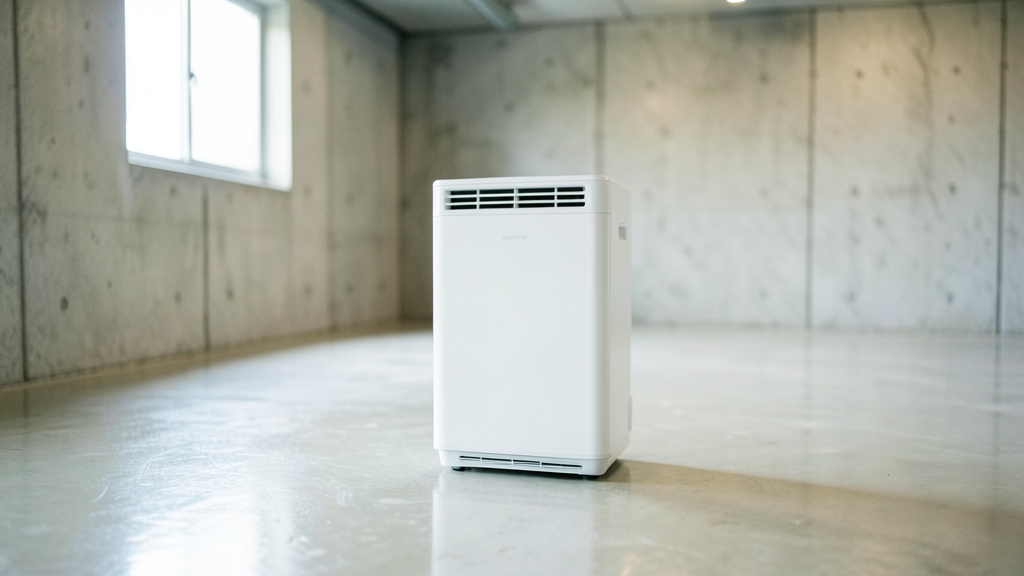
Paradise Valley’s extreme seasonal swings—from bone-dry heat to monsoon-driven moisture—create perfect conditions for mold growth if left unchecked. We’ve spent years battling hidden mold in homes across the Valley, Scottsdale, and Phoenix, and we know what actually works to keep it out for good.
Why Paradise Valley’s Climate Fuels Mold Growth
The Sonoran Desert’s low humidity most of the year lulls homeowners into a false sense of security. But mold spores are always present, waiting for moisture to activate.
Monsoon season brings sudden humidity spikes and water intrusion through roofs, windows, or poor grading. Even minor leaks in attics or crawl spaces can trigger outbreaks within 24–48 hours.
Winter’s cooler temps can cause condensation on windows and in poorly insulated walls, especially in older homes in Cave Creek or Carefree. This hidden moisture is a silent mold magnet.
Top Mold Hotspots in Local Homes
Attics are ground zero, especially with poor ventilation or roof leaks. We often find mold colonizing the backside of drywall or insulation after a single storm.
Crawl spaces and basements trap humidity from the ground. Without vapor barriers or proper drainage, these areas become breeding grounds, even in dry months.
Bathrooms and kitchens are obvious culprits, but lazy HVAC maintenance is a bigger issue. Clogged condensate lines or dirty coils can distribute spores throughout the house.
| Area | Primary Trigger | Risk Level |
|---|---|---|
| Attic | Roof leaks, poor ventilation | High |
| Crawl Space | Ground moisture, lack of vapor barrier | High |
| Bathroom | Poor exhaust, chronic humidity | Medium |
| HVAC System | Dirty coils, clogged condensate lines | High |
| Basement | Water seepage, condensation | Medium |
| Behind Drywall | Plumbing leaks, hidden condensation | High |
Seasonal Mold Prevention Checklist for Paradise Valley
Dry season demands vigilance against hidden leaks. Inspect plumbing, roofs, and irrigation systems for slow drips that can saturate walls or slabs over time.
Pre-monsoon, clear gutters and downspouts to direct water away from foundations. Ensure grading slopes away from the house—critical in neighborhoods with poor drainage.
Pre-Monsoon Prep
- Clean and extend downspouts at least 5 feet from the foundation
- Seal gaps around windows, doors, and roof penetrations
- Test sump pumps and French drains (if applicable)
- Service HVAC systems, including condensate lines and coils
- Install or check humidity sensors in attics and crawl spaces
Humidity Control: The Backbone of Mold Prevention
Maintain indoor humidity between 30–50%. In Paradise Valley, this often means running dehumidifiers during monsoon season and ensuring proper ventilation year-round.
Whole-house dehumidifiers tied into HVAC systems are ideal for larger homes. For crawl spaces, a dedicated unit with a vapor barrier is non-negotiable.
Avoid overcooling your home. Setting the thermostat too low can cause condensation on ductwork, especially in uninsulated attics common in older Scottsdale or Phoenix builds.
Use a hygrometer to monitor humidity in problem areas. If levels creep above 55%, act fast—mold can start growing within a day or two.
Ventilation: Your Silent Ally Against Mold
Exhaust fans in bathrooms and kitchens must vent outside, not into attics. We’ve seen entire attics contaminated because a fan dumped moisture into the space.
Attic ventilation is critical. Ridge vents, soffit vents, and powered fans help expel hot, moist air. Blocked vents are a top cause of attic mold in local homes.
For crawl spaces, consider a sealed system with a dehumidifier. Open vents can pull in humid monsoon air, making the problem worse.
Water Intrusion: Stop It Before It Starts
Roofs take a beating during monsoon storms. Inspect for missing shingles, cracked tiles, or deteriorating flashing—especially around chimneys and skylights.
Plumbing leaks are sneaky. Check under sinks, around water heaters, and behind appliances. Even a slow drip can cause major mold growth in drywall or subflooring.
Poorly sealed windows and doors are common entry points. Recaulk annually, and consider weatherstripping for older homes in Cave Creek or Carefree.
Musty odors or water stains are late-stage signs. By then, mold may already be spreading behind walls or under flooring. Act at the first hint of moisture.
Materials Matter: Mold-Resistant Choices for Remodels
If you’re renovating, opt for mold-resistant drywall (like paperless or fiberglass-faced) in bathrooms, basements, and laundry rooms. It’s a small upfront cost for long-term protection.
Use closed-cell spray foam insulation in attics and crawl spaces. It resists moisture and adds structural support, unlike fiberglass, which can trap water.
For flooring, avoid carpet in moisture-prone areas. Tile, vinyl, or sealed concrete are safer bets in Paradise Valley’s climate.
When to Call in the Pros
If you see visible mold, smell a persistent musty odor, or have experienced water damage, it’s time for a professional mold inspection. DIY tests often miss hidden colonies.
We use thermal imaging and moisture meters to detect issues behind walls or under floors. Air quality testing can confirm spore levels and identify the mold species present.
For remediation, containment is key. Improper cleanup can spread spores to unaffected areas. In commercial spaces or large homes, this requires professional-grade equipment and protocols.
How to Inspect for Hidden Mold in Your Paradise Valley Home
Catching mold early saves time, money, and your health.
- 1Check for Water Stains
Look for discoloration on ceilings, walls, or baseboards. These often indicate past or current leaks.
- 2Follow Your Nose
Musty odors are a dead giveaway. Trace the smell to its source—often behind furniture, under sinks, or in closets.
- 3Inspect High-Risk Areas
Use a flashlight to examine attics, crawl spaces, and behind appliances. Pay special attention to areas near plumbing or HVAC components.
- 4Test for Moisture
A moisture meter (available at hardware stores) can reveal hidden dampness in drywall, wood, or flooring. Readings above 15-20% warrant further investigation.
- 5Look for Condensation
Check windows, pipes, and ductwork for beads of water. Persistent condensation can lead to mold growth on adjacent surfaces.
- 6Monitor After Rain
After a storm, inspect your roof, gutters, and foundation for signs of water intrusion. Act quickly if you find any issues.
Frequently Asked Questions
Does Paradise Valley’s dry climate mean I don’t have to worry about mold?
No. While the dry air slows mold growth, spores are dormant, not dead. Any moisture—from leaks, condensation, or monsoon humidity—can activate them. We’ve remediated mold in homes that seemed bone-dry.
How often should I have my home inspected for mold?
Annually is ideal, especially before monsoon season. If your home has a history of water damage, poor ventilation, or musty odors, consider inspections every 6 months. Request a quote to assess your risk.
Can I clean mold myself, or do I need a professional?
Small, surface-level mold (under 10 square feet) on non-porous materials like tile can often be cleaned with a bleach solution. But for porous materials (drywall, insulation) or large areas, professional remediation is safer and more effective. Improper cleanup can spread spores.
What’s the difference between mold testing and mold inspection?
A mold inspection is a visual and physical assessment of your home for signs of mold and moisture. Mold testing involves collecting air or surface samples to identify spore types and concentrations. Both are valuable—inspections find problems, while testing confirms and quantifies them.
Are there specific neighborhoods in Paradise Valley more prone to mold?
Homes near washes or in low-lying areas (like parts of Scottsdale or Cave Creek) are more susceptible to water intrusion during monsoons. Older homes with poor ventilation or outdated plumbing also face higher risks, regardless of location.
How can I prevent mold in my attic during monsoon season?
Ensure proper ventilation with ridge and soffit vents. Inspect your roof for leaks before storms hit. Consider adding a vapor barrier if your attic lacks one, and use a dehumidifier if humidity levels rise. Regular attic mold remediation checks can catch issues early.