Mold in HVAC Systems: A Growing Concern for Paradise Valley Offices
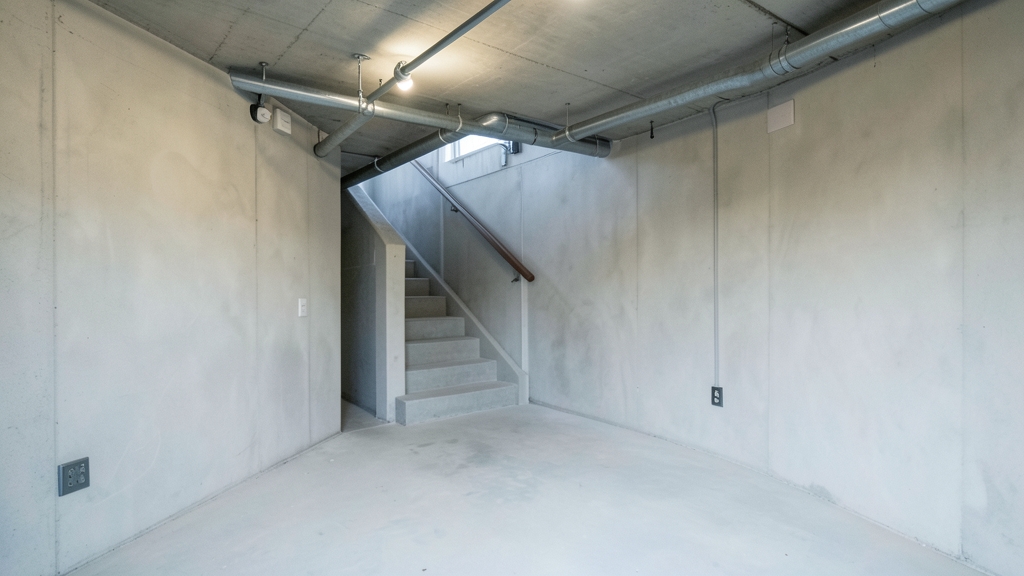
Mold thrives in the dark, damp environments of commercial HVAC systems—especially in our dry-heat climate where condensation builds up unseen. Left unchecked, it circulates spores throughout your office, compromising air quality and employee health. We specialize in detecting, removing, and preventing HVAC mold in Paradise Valley workplaces.
Why HVAC Systems in Paradise Valley Are Mold Magnets
Our region’s extreme temperature swings create ideal conditions for condensation inside ductwork and air handlers. When moisture lingers, mold colonies take hold on coils, drain pans, and insulation.
Poorly maintained systems in Scottsdale and Cave Creek offices often recirculate spores, worsening indoor air quality. Even high-end buildings aren’t immune—hidden leaks or inadequate drainage accelerate growth.
Signs Your Office HVAC Has a Mold Problem
Musty odors are the most obvious red flag, but don’t ignore visible black or greenish growth near vents or in drip pans. Employees reporting allergies or respiratory issues may also signal an infestation.
Reduced airflow or unexplained humidity spikes can indicate clogged coils or ductwork—common mold hideouts. In Paradise Valley’s low-humidity climate, these signs often get overlooked until the problem spreads.
HVAC Mold Warning Signs
- Persistent musty smells from vents
- Visible mold on coils, ducts, or drain pans
- Increased employee allergy or asthma complaints
- Unexplained humidity or poor airflow
- Water stains or damage near air handlers
Health Risks of HVAC Mold in Commercial Spaces
Mold spores dispersed through office HVAC systems can trigger allergic reactions, asthma attacks, and chronic sinusitis. Employees with compromised immune systems face higher risks of fungal infections.
Long-term exposure in Phoenix and Paradise Valley workplaces may lead to headaches, fatigue, and eye irritation—often misattributed to other causes. Proactive remediation protects both health and productivity.
If you see mold in ductwork or air handlers, avoid running the HVAC until remediated. Spores spread rapidly through forced air, worsening contamination.
How We Diagnose HVAC Mold in Paradise Valley Offices
Our team starts with a thorough inspection of your system, including coils, drain pans, and ductwork. We use borescopes to access tight spaces and moisture meters to identify hidden condensation issues.
Air quality testing and surface sampling confirm mold types and spore counts. This data guides our remediation plan, ensuring we target the root cause—not just the symptoms.
Mold Remediation vs. Simple Cleaning: What’s the Difference?
Surface cleaning removes visible mold but often misses hidden colonies in insulation or behind components. True remediation involves containment, HEPA filtration, and antimicrobial treatments to prevent regrowth.
For Paradise Valley offices, we often recommend full ductwork cleaning paired with moisture control upgrades. This prevents recurrence, especially in older systems common in Scottsdale and Cave Creek buildings.
| Aspect | Surface Cleaning | Professional Remediation |
|---|---|---|
| Scope | Visible mold only | Full system: ducts, coils, drain pans, insulation |
| Spore Control | Minimal; spores remain airborne | HEPA filtration, negative air pressure |
| Prevention | None; mold often returns | Antimicrobial treatments, moisture fixes |
| Safety | Risk of spore dispersal | Containment protocols, PPE for technicians |
| Long-Term Effect | Temporary relief | Sustainable solution |
Our Step-by-Step HVAC Mold Remediation Process
We begin with containment to isolate the affected HVAC components, preventing spores from spreading to clean areas. Negative air pressure and HEPA air scrubbers ensure safe conditions during work.
All contaminated materials—like insulation or porous duct linings—are removed and replaced. Non-porous surfaces undergo rigorous cleaning with EPA-approved antimicrobials.
Preventing Future Mold in Your Office HVAC
Regular maintenance is key: inspect drain pans, clean coils, and replace filters quarterly. In Paradise Valley’s climate, we also recommend upgrading to UV-C lights in air handlers to inhibit mold growth.
Dehumidification systems and proper ventilation reduce moisture buildup. For older buildings in Phoenix or Carefree, sealing ductwork and improving insulation can prevent condensation.
Monsoon season brings sudden humidity spikes. Schedule a pre-monsoon HVAC inspection to catch moisture issues before mold takes hold.
When to Call a Professional for HVAC Mold
If you suspect mold in your office HVAC, DIY fixes rarely work. Improper cleaning can agitate spores, worsening the problem. Our team has the tools and expertise to safely remediate and restore air quality.
For Paradise Valley businesses, we also offer post-remediation verification testing to confirm the system is mold-free. This step is critical for commercial spaces where liability and employee health are priorities.
How to Inspect Your Office HVAC for Mold
A quick preliminary check can help you decide whether to call in professionals.
- 1Turn Off the HVAC System
Prevent spores from spreading by shutting down the system before inspection. This also protects you from inhaling agitated mold.
- 2Check Visible Components
Use a flashlight to examine vents, coils, and drain pans for black, green, or white growth. Pay attention to musty odors near these areas.
- 3Look for Moisture Signs
Water stains, rust, or standing water in drip pans indicate conditions ripe for mold. Condensation on ducts is another red flag.
- 4Inspect Air Filters
Clogged or damp filters can harbor mold. Replace any filters showing signs of moisture or growth immediately.
- 5Document Findings
Take photos of any suspected mold or moisture issues. This helps professionals assess the scope and plan remediation.
- 6Contact a Specialist
If you find mold or persistent moisture, avoid running the system. Request a quote for professional inspection and remediation.
Frequently Asked Questions
Can HVAC mold be completely removed, or will it always come back?
With professional remediation and proper moisture control, HVAC mold can be fully eradicated. However, without addressing the root cause—like leaks or poor drainage—it may recur. We focus on both removal and prevention.
How does mold in HVAC systems affect employees in Paradise Valley offices?
HVAC mold releases spores into the air, which can cause allergic reactions, respiratory issues, and long-term health problems. In office settings, this often leads to reduced productivity and increased sick days.
Is it safe to run the HVAC system if I suspect mold?
No. Running a contaminated HVAC system can spread spores throughout your office, worsening the problem. Shut it down and contact a remediation specialist immediately.
Do newer HVAC systems in Scottsdale or Phoenix prevent mold?
Newer systems are less prone to mold if properly maintained, but they’re not immune. Poor installation, lack of maintenance, or high humidity can still lead to mold growth. Regular inspections are essential.
What’s the difference between mold testing and mold inspection for HVAC systems?
Inspection involves a visual and physical examination of your HVAC system to identify mold or moisture issues. Testing collects samples (air or surface) to confirm mold types and spore counts, providing data for remediation planning.
Can UV-C lights in HVAC systems prevent mold in Paradise Valley’s climate?
Yes, UV-C lights are highly effective at inhibiting mold growth on coils and in ductwork. They’re a smart upgrade for commercial systems in our dry climate, where condensation can still occur in hidden areas.