Mold in the Garage: Remediation Costs and Prevention Tips for Paradise Valley
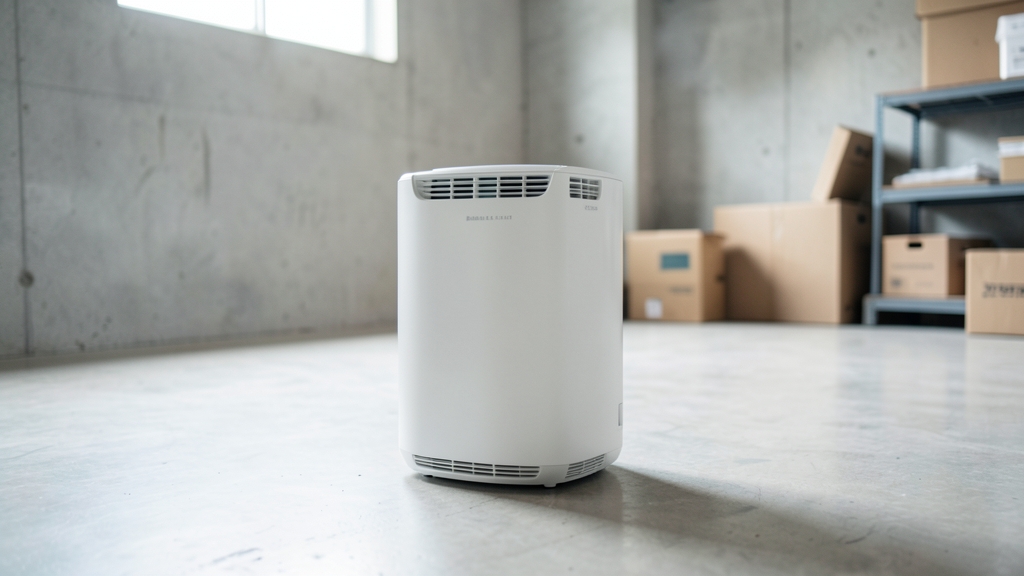
Garages in Paradise Valley aren’t immune to mold, despite our arid climate. Poor ventilation, hidden leaks, or stored items can trap moisture, creating ideal conditions for spores to thrive. We’ll break down remediation costs, prevention strategies, and why early action saves time and money.
Why Garages in Paradise Valley Develop Mold
Even in dry regions, garages can harbor mold due to microclimates. Poor drainage, condensation from temperature swings, or leaks from roofs and plumbing create moisture pockets.
Stored cardboard, fabric, or organic materials provide food for spores. Without airflow, these areas stay damp long enough for colonies to establish.
Signs Your Garage Has a Mold Problem
Visible black, green, or white spots on walls, ceilings, or stored items are clear indicators. Musty odors often precede visible growth, especially in enclosed spaces.
Warped drywall, peeling paint, or rust on metal surfaces suggest prolonged moisture exposure. Don’t ignore these red flags—early detection simplifies remediation.
Common Garage Mold Signs
- Musty or earthy odors
- Discoloration on walls or stored items
- Peeling paint or wallpaper
- Condensation on windows or metal surfaces
- Allergic reactions when entering the garage
How Garage Mold Remediation Works
We start with a thorough mold inspection and air quality testing to identify the extent and type of infestation. This step ensures we target the root cause, not just the symptoms.
Containment barriers and HEPA air scrubbers prevent spores from spreading during removal. Porous materials like drywall or insulation often require removal, while non-porous surfaces are cleaned with antimicrobial solutions.
Post-remediation, we verify clearance with follow-up testing. Moisture control measures, such as improved ventilation or dehumidifiers, are critical to prevent recurrence.
What Drives Garage Mold Remediation Costs
Costs vary based on the scope of infestation, materials affected, and accessibility. Small, surface-level mold may require minimal intervention, while widespread growth behind walls demands extensive demolition and reconstruction.
Factors like the need for water damage restoration, attic or crawl space involvement, or specialized equipment (e.g., dehumidifiers, air scrubbers) also influence pricing. Always request a quote for an accurate assessment.
| Factor | Impact on Cost | Notes |
|---|---|---|
| Size of affected area | Higher for larger spaces | Measured in square feet |
| Type of materials | Porous (higher) vs. non-porous | Drywall, insulation often require removal |
| Accessibility | Hard-to-reach areas increase labor | Crawl spaces, attics add complexity |
| Moisture source | Water damage restoration may be needed | Fixing leaks or drainage issues adds cost |
| Testing & clearance | Pre- and post-remediation testing | Ensures thorough removal and safety |
DIY vs. Professional Mold Remediation
For small, isolated patches (under 10 sq. ft.), DIY cleanup with proper PPE and EPA-approved products may suffice. However, improper handling can spread spores or miss hidden growth.
Professional remediation is essential for large or recurring infestations. We use commercial-grade equipment, follow IICRC standards, and address underlying moisture issues to prevent regrowth.
Disturbing mold without containment can release spores into your home’s HVAC system, affecting indoor air quality in Paradise Valley and nearby areas like Scottsdale or Phoenix.
Preventing Mold in Your Paradise Valley Garage
Control humidity with dehumidifiers or ventilation fans, especially during monsoon season when moisture levels spike. Aim for indoor humidity below 50%.
Inspect for leaks regularly—check roofs, pipes, and garage doors. Seal gaps and cracks to prevent water intrusion from heavy rains or irrigation runoff.
Store items in plastic bins, not cardboard, and elevate them off concrete floors. Avoid clutter to allow airflow and reduce hiding spots for mold.
In Paradise Valley, garages attached to homes often share HVAC systems. Ensure your system includes a high-quality filter to capture spores before they circulate indoors.
When to Call a Professional
If mold covers more than 10 square feet, or if you suspect it’s in your HVAC, attic, or crawl space, call our team. Hidden mold can spread quickly and impact your home’s structural integrity.
Health symptoms like respiratory issues, headaches, or skin irritation may indicate a serious mold problem. Don’t wait—early intervention limits damage and costs.
Long-Term Solutions for Mold-Free Garages
Consider installing a vapor barrier on concrete floors to block moisture from the ground. In older homes, upgrading insulation and ventilation can prevent condensation buildup.
Regular mold inspections, especially after water damage or major storms, help catch issues early. Pair this with air quality testing for comprehensive protection.
How to Inspect Your Garage for Mold
A quick, thorough inspection can reveal hidden mold before it becomes a major issue.
- 1Gather Tools
Use a flashlight, moisture meter, and protective gloves. A mask is recommended if you suspect heavy spore concentrations.
- 2Check for Visible Signs
Examine walls, ceilings, and stored items for discoloration or spots. Pay special attention to corners and behind stored items.
- 3Sniff for Odors
Musty smells often indicate hidden mold. Follow your nose to potential problem areas, especially near water sources.
- 4Test for Moisture
Use a moisture meter to check for elevated levels in drywall, wood, or concrete. Readings above 15-20% signal a risk for mold growth.
- 5Look for Water Sources
Inspect pipes, roofs, and garage doors for leaks or condensation. Address any water intrusion immediately to prevent recurrence.
- 6Document Findings
Take photos and notes of any signs of mold or moisture. This helps professionals provide an accurate quote and remediation plan.
Frequently Asked Questions
Can garage mold spread to my Paradise Valley home?
Yes, especially if your garage is attached. Spores can travel through shared HVAC systems, doorways, or even on clothing and pets. Containment and remediation are critical to prevent cross-contamination.
How long does garage mold remediation take?
Timelines vary based on the project’s scope. Small jobs may take 1-2 days, while extensive remediation with water damage restoration can take a week or more. Clearance testing adds another day or two.
Is mold in my garage dangerous?
It depends on the type and extent. Some molds produce mycotoxins that can cause health issues, especially for those with allergies, asthma, or weakened immune systems. It’s best to have it tested and removed professionally.
Will my homeowner’s insurance cover garage mold remediation?
Coverage varies by policy and the cause of the mold. If the mold results from a covered peril (e.g., a burst pipe), your insurance may help. However, mold due to neglect or poor maintenance is often excluded. Check your policy and request a quote for remediation costs.
What’s the difference between mold removal and mold remediation?
Mold removal refers to the physical act of cleaning or eliminating mold from surfaces. Remediation is a comprehensive process that includes removal, addressing the moisture source, and preventing recurrence. We focus on remediation to ensure long-term solutions.
Can I prevent garage mold without professional help?
For minor issues, improving ventilation, controlling humidity, and fixing leaks can help. However, if you’ve had past mold problems or live in a high-risk area like Cave Creek or Carefree, professional mold prevention services may be worth the investment.