Long-Term Strategies to Keep Mold and Mildew Out of Paradise Valley Homes
Paradise Valley’s unique climate—hot, dry summers and occasional monsoon moisture—creates perfect conditions for mold to take hold if humidity isn’t controlled. We’ve helped homeowners across the Valley, from Cave Creek to Scottsdale, implement lasting solutions that stop mold before it starts. Prevention is always cheaper than remediation.
Understanding Mold Growth in Arid Climates Like Ours
Many assume mold can’t thrive in the Sonoran Desert, but indoor moisture from leaks, poor ventilation, or high humidity can create microclimates where spores flourish. Even in dry Phoenix or Carefree, hidden water damage in walls or attics often goes unnoticed until mold appears.
Mold needs three things: spores (everywhere), a food source (drywall, wood, dust), and moisture. Remove the moisture, and you starve the problem. Our team focuses on breaking that third link through targeted moisture control.
Heavy rains in late summer can overwhelm gutters or seep into crawl spaces. Inspect your home’s exterior drainage before the season hits.
The Role of Humidity and Ventilation in Mold Prevention
Indoor humidity above 50% for prolonged periods invites mold growth. In Paradise Valley, evaporative coolers can raise humidity if not properly maintained. We recommend whole-house dehumidifiers for homes with persistent moisture issues.
Poor ventilation traps moisture in bathrooms, kitchens, and laundry rooms. Exhaust fans should vent outside—not into attics. In attics and crawl spaces, passive or active ventilation systems prevent stagnant, humid air from settling.
Critical Areas to Monitor for Moisture and Mold
Attics are prime targets due to roof leaks or inadequate ventilation. Insulation can trap moisture against the decking, leading to hidden mold colonies. Regular attic inspections catch issues before they spread.
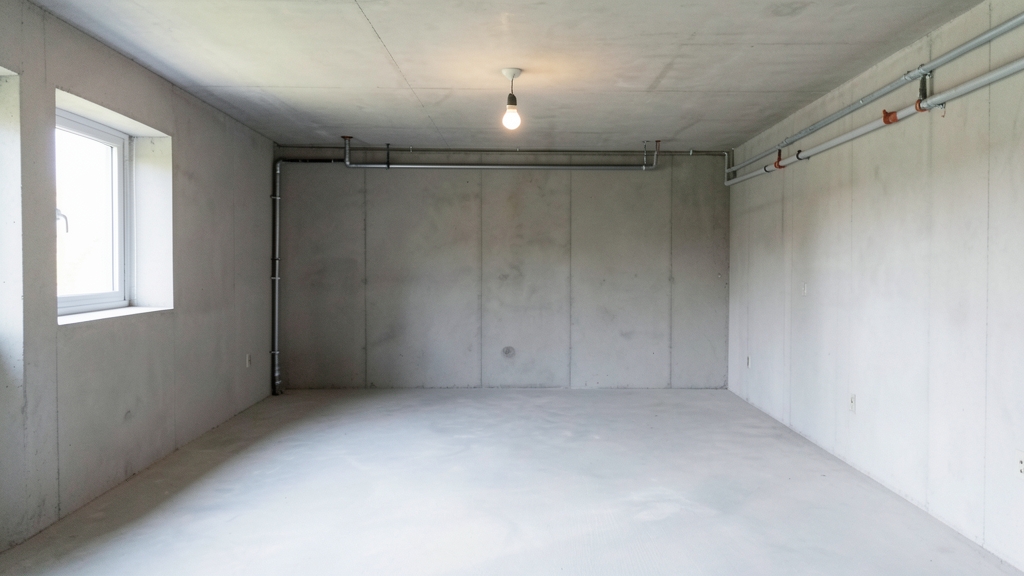
Crawl spaces and basements (common in older Paradise Valley and Cave Creek homes) often lack vapor barriers. Without one, ground moisture seeps in, creating a damp environment ideal for mold and mildew.
Bathrooms and kitchens need vigilance. Caulk and grout degrade over time, allowing water to seep behind tiles. Under-sink cabinets are another hotspot—check for leaks or condensation regularly.
| Area | Primary Moisture Source | Mold Risk Level |
|---|---|---|
| Attic | Roof leaks, poor ventilation | High |
| Crawl Space | Ground moisture, lack of vapor barrier | High |
| Bathroom | Leaks, condensation, poor exhaust | Medium |
| Basement | Seepage, high humidity | High |
| Kitchen | Plumbing leaks, appliance condensation | Medium |
| HVAC Ducts | Condensation, poor insulation | Medium |
Proactive Moisture Control Techniques
Start with the exterior: ensure grading slopes away from your foundation, and extend downspouts at least 5 feet from the house. This prevents water from pooling near the structure during Scottsdale’s rare but intense storms.
Interior strategies include using moisture-resistant materials like paperless drywall or closed-cell spray foam insulation in vulnerable areas. Dehumidifiers in basements or crawl spaces can maintain safe humidity levels year-round.
Smart home technology helps, too. Hygrometers and leak sensors provide real-time alerts, allowing you to act before moisture becomes a mold problem. We often integrate these into comprehensive prevention plans for clients.
Quick Moisture Control Checklist
- Inspect roof and gutters for damage or clogs
- Seal gaps around windows, doors, and pipes
- Install vapor barriers in crawl spaces
- Use exhaust fans in bathrooms and kitchens
- Monitor indoor humidity with a hygrometer
- Service HVAC systems annually to prevent condensation buildup
HVAC Systems: A Double-Edged Sword for Mold
Your HVAC can either prevent or spread mold. Poorly maintained systems circulate spores throughout the home. In Paradise Valley’s dusty environment, clogged filters or ductwork can trap moisture and organic debris, feeding mold growth.
We recommend annual duct inspections and cleanings, especially if you notice musty odors when the system runs. Upgrading to high-efficiency air filters (MERV 8-13) captures more spores without restricting airflow.
Bleaching visible mold only removes surface discoloration—it doesn’t kill the roots. Professional remediation addresses the source and prevents recurrence.
Landscaping and Exterior Maintenance to Deter Mold
Overgrown vegetation or dense mulch beds against your home’s foundation trap moisture. In Paradise Valley, where xeriscaping is common, ensure plants are spaced to allow airflow. Drip irrigation should not saturate walls or siding.
Stucco and exterior paint act as barriers, but cracks or peeling allow water intrusion. Regularly inspect and repair these surfaces, especially after monsoon season. For homes in Cave Creek or Carefree, where rural lots may have more vegetation, this is critical.
When to Call in Professionals for Mold Prevention
If you’ve experienced past water damage, a professional mold inspection can identify hidden risks. Our team uses thermal imaging and moisture meters to detect issues behind walls or under flooring before they become visible problems.
For commercial properties or large homes in Paradise Valley, Scottsdale, or Phoenix, a tailored moisture control plan may include industrial-grade dehumidifiers, air scrubbers, or specialized coatings. Prevention at scale requires expertise.
How to Conduct a DIY Mold and Moisture Audit
A thorough home audit helps you catch potential mold risks early.
- 1Check for Visible Signs
Look for discoloration, staining, or warping on walls, ceilings, and floors. Pay special attention to areas around pipes, windows, and vents.
- 2Use a Moisture Meter
Test surfaces in suspect areas. Readings above 15-20% indicate elevated moisture. Focus on basements, attics, and near plumbing.
- 3Inspect Hidden Spaces
Remove baseboards or access panels to check behind walls. In attics, look for water stains on rafters or insulation. Use a flashlight to spot mold in dark corners.
- 4Test Indoor Humidity
Use a hygrometer to measure humidity in different rooms. Levels consistently above 50% require action, such as adding dehumidifiers or improving ventilation.
- 5Evaluate Ventilation
Ensure bathrooms, kitchens, and laundry rooms have working exhaust fans that vent outside. Open windows when weather permits to improve airflow.
- 6Document and Prioritize
Note all findings and prioritize fixes by severity. Address active leaks immediately, then tackle high-moisture areas. For complex issues, request a professional assessment.
Frequently Asked Questions
How often should Paradise Valley homeowners inspect for mold?
We recommend a visual inspection every 6 months, especially before and after monsoon season. If your home has a history of water damage or high humidity, consider professional mold testing annually. Early detection saves time and money on remediation.
Can mold return after professional remediation?
Yes, if the underlying moisture issue isn’t resolved. Remediation removes existing mold, but without addressing leaks, poor ventilation, or humidity, spores can recolonize. That’s why we pair remediation with prevention strategies tailored to your home’s specific conditions.
Are there mold-resistant building materials for new construction or renovations?
Absolutely. Paperless drywall, moisture-resistant gypsum, and closed-cell spray foam insulation are excellent choices for areas prone to dampness, like bathrooms or basements. In Paradise Valley, where homes may have unique architectural features, we often specify these materials for long-term protection.
What’s the difference between mold testing and mold inspection?
A mold inspection is a visual and physical assessment of your property to identify moisture sources, water damage, and potential mold growth. Mold testing involves collecting air or surface samples to determine the type and concentration of spores. Both are valuable—inspections pinpoint problems, while testing confirms what you’re dealing with.
Do dehumidifiers work in Paradise Valley’s dry climate?
They’re essential in specific scenarios. While outdoor humidity is low, indoor activities (cooking, showering, laundry) or poor ventilation can create localized high-humidity zones. In basements, crawl spaces, or homes with evaporative coolers, dehumidifiers maintain safe moisture levels year-round.
Should I be concerned about mold in my HVAC system?
Yes. Mold in ductwork can spread spores throughout your home every time the system runs. If you notice musty odors when the HVAC is on, or see mold near vents, schedule a professional duct inspection. Regular filter changes and system maintenance reduce this risk significantly.