How to Use a Hygrometer to Monitor Humidity for Mold Prevention in Paradise Valley
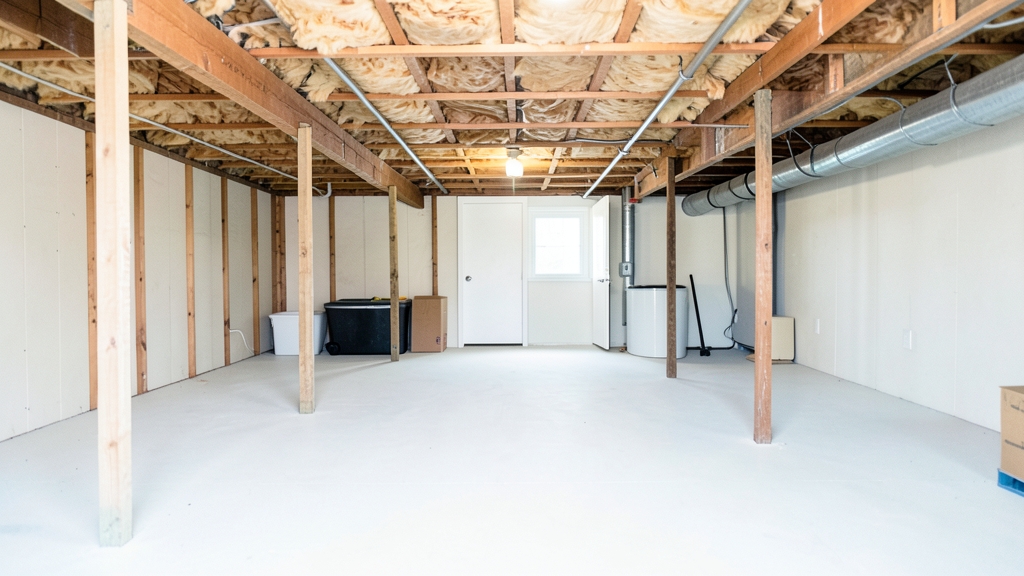
In Paradise Valley’s desert climate, indoor humidity can spike unexpectedly—especially during monsoon season or after water damage. A hygrometer is your first line of defense, helping you spot moisture issues before mold takes hold. We’ll show you how to use one like the pros do.
Why Humidity Monitoring Matters in Our Desert Climate
Paradise Valley’s dry air fools many homeowners into ignoring humidity—but hidden moisture in attics, crawl spaces, or behind walls can fuel mold growth. Even low outdoor humidity doesn’t prevent indoor spikes from leaks, poor ventilation, or daily activities like cooking and showering.
Mold thrives at 60% relative humidity (RH) or higher. In our area, monsoon season and sudden storms can push indoor RH into the danger zone fast. Without monitoring, you might not notice until mold colonies are already established.
Types of Hygrometers: Which One’s Right for You?
Digital hygrometers are the most user-friendly, offering quick readings and often built-in temperature sensors. They’re ideal for most Paradise Valley homes, especially for checking attics, basements, or crawl spaces where mold risks run high.
Analog hygrometers use a coiled metal strip to measure moisture but can be less precise in extreme temperatures. They’re budget-friendly but require frequent calibration—critical in our fluctuating desert climate.
| Type | Accuracy | Best For | Calibration Needed |
|---|---|---|---|
| Digital | High (±2-3% RH) | Attics, Crawl Spaces, Living Areas | Occasional |
| Analog | Moderate (±5-10% RH) | General Home Use | Frequent |
| Psychrometer (Sling) | Very High (±1% RH) | Professional Mold Inspection, Water Damage Restoration | Before Each Use |
Where to Place Your Hygrometer for Accurate Readings
Avoid placing hygrometers near direct sunlight, heating vents, or air conditioners. These can skew readings and give a false sense of safety. Aim for consistent, shaded spots at least 3–4 feet off the ground.
High-risk zones in Paradise Valley homes include bathrooms (especially after showers), kitchens, laundry rooms, and any area near recent water damage. Don’t forget attics—poor insulation or roof leaks can create hidden humidity pockets.
Check hygrometer readings daily during monsoon season. Even a small leak from a storm can raise indoor RH quickly, particularly in Phoenix and Scottsdale homes with flat roofs.
Calibrating Your Hygrometer for Reliable Data
Uncalibrated hygrometers can be off by 10% or more—enough to miss the mold danger zone. Use the salt test: place the sensor in a sealed container with a damp salt cloth for 6–12 hours. It should read 75% RH at room temperature.
Recalibrate every 6–12 months, or after extreme temperature swings. For analog models, this is non-negotiable. Digital units often have a reset function, but manual checks ensure accuracy in our harsh climate.
Interpreting Readings: When to Take Action
Ideal indoor RH for mold prevention is 30–50%. Above 60%? You’re in the risk zone. Below 30% can cause dryness issues but won’t promote mold. In Paradise Valley, aim for the lower end of the range to account for outdoor humidity swings.
If readings spike above 60% consistently, investigate sources: leaks, poor ventilation, or condensation in ductwork. In Cave Creek or Carefree, older homes with crawl spaces often need extra attention.
Even temporary humidity spikes (e.g., after a water heater leak) can trigger mold growth within 24–48 hours. Act fast—use fans, dehumidifiers, or call in a pro for Mold Remediation if needed.
Pairing Your Hygrometer with Other Mold Prevention Tools
A hygrometer alone won’t stop mold. Combine it with dehumidifiers in basements or crawl spaces, and ensure your HVAC’s drainage system is clear. In attics, proper ventilation and insulation are key to preventing condensation buildup.
For comprehensive protection, schedule annual Mold Inspections, especially if you’ve had past water damage. Our team often finds hidden mold in Scottsdale and Paradise Valley homes where hygrometers weren’t used—or were placed incorrectly.
Mold Prevention Toolkit
- Digital hygrometer for high-risk areas
- Dehumidifier for basements/crawl spaces
- Exhaust fans in bathrooms and kitchens
- Regular HVAC maintenance to prevent duct condensation
- Annual professional Mold Testing & Air Quality Testing
Common Mistakes Paradise Valley Homeowners Make
Assuming desert air means no humidity risks. Indoor sources (showers, cooking, breathing) add up. Without monitoring, you might overlook a slow leak in a guest bathroom or poorly sealed ductwork.
Placing hygrometers in the wrong spots—like near a swamp cooler or in direct sunlight. This gives false lows or highs, masking real problems. Also, ignoring calibration leads to unreliable data over time.
How to Use a Hygrometer to Monitor Humidity Like a Pro
Follow these steps to get accurate, actionable humidity readings in your home.
- 1Choose the Right Hygrometer
For most homes, a digital model with ±3% RH accuracy is sufficient. If you’re dealing with past mold issues or water damage, opt for a professional-grade unit.
- 2Calibrate Before First Use
Use the salt test or a calibration kit to ensure accuracy. This is critical for analog models and recommended for digital ones.
- 3Place Sensors Strategically
Position hygrometers in high-risk areas: bathrooms, kitchens, basements, crawl spaces, and attics. Keep them away from direct heat, cold, or airflow sources.
- 4Check Readings Daily During Risky Periods
Monitor at the same time each day (e.g., morning and evening). Note spikes after rain, showers, or laundry. In monsoon season, check more frequently.
- 5Take Action on High Readings
If RH exceeds 60%, use dehumidifiers, improve ventilation, or address leaks. For persistent issues, consider a professional Mold Inspection or Water Damage Restoration assessment.
Frequently Asked Questions
What’s the ideal humidity level to prevent mold in Paradise Valley homes?
Aim for 30–50% relative humidity. Our desert climate allows us to stay on the lower end, but never let indoor RH exceed 60%. Use dehumidifiers in damp areas like basements or crawl spaces to maintain this range.
Can I use my smartphone’s weather app instead of a hygrometer?
No. Smartphone apps estimate outdoor humidity and aren’t accurate for indoor conditions. A dedicated hygrometer measures the actual moisture levels in your home’s air, which can differ drastically from outdoor readings.
How often should I replace my hygrometer?
Digital hygrometers typically last 5–10 years with proper care, but recalibrate them annually. Analog models may degrade faster, especially in extreme temperatures. Replace any unit that can’t hold calibration or shows inconsistent readings.
Where is mold most likely to grow in Paradise Valley homes?
Attics (due to poor ventilation or roof leaks), crawl spaces, bathrooms, and around windows with condensation are prime spots. Older homes in Scottsdale or Phoenix often have hidden moisture in ductwork or behind walls from past water damage.
What should I do if my hygrometer reads 70% RH?
First, identify the source: leaks, poor ventilation, or high outdoor humidity seeping in. Use fans or dehumidifiers to lower RH quickly. If the issue persists, call a professional for Mold Testing or Water Damage Restoration—especially if you see visible mold or smell musty odors.
Does a hygrometer help with Commercial Mold Remediation?
Absolutely. In commercial spaces, hygrometers are essential for monitoring large areas like warehouses, offices, or retail stores. They help facility managers maintain safe RH levels and catch moisture issues early, preventing costly Mold Remediation projects.