How to Prevent Mold After Remediation in Paradise Valley’s Climate
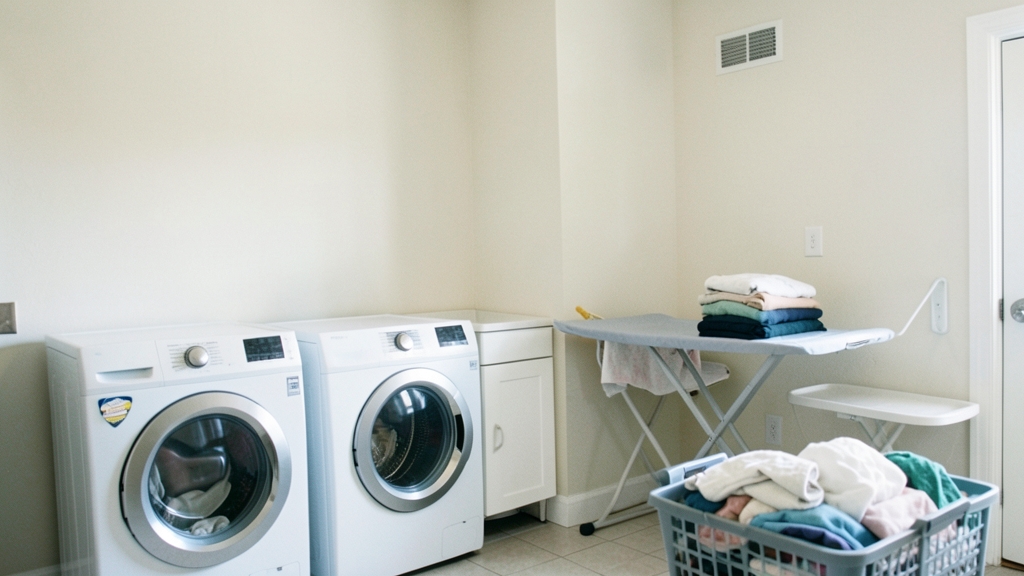
Mold remediation is only half the battle in Paradise Valley. Our arid climate and sudden monsoon humidity create the perfect conditions for mold to return if moisture isn’t controlled. We’ll show you how to keep your home or business mold-free long after our team leaves.
Why Mold Returns After Remediation in Our Desert Climate
Paradise Valley’s extreme temperature swings—from scorching days to cool nights—can cause condensation inside walls, attics, and crawl spaces. This hidden moisture feeds mold spores that survive remediation.
Monsoon season brings sudden humidity spikes. Even a small water intrusion from a roof leak or poor drainage can reactivate dormant spores within 24-48 hours.
Poor ventilation in tightly sealed homes traps moisture from daily activities like cooking, showering, or even breathing. Without proper airflow, mold regrowth is almost inevitable.
Critical First Steps: Post-Remediation Inspection
Before preventing mold, confirm it’s truly gone. Our team uses moisture meters and thermal imaging to detect hidden water in drywall, insulation, or subflooring.
We also perform air quality testing to measure spore counts. Elevated levels mean remediation wasn’t fully successful—or moisture sources remain unaddressed.
Always demand a post-remediation verification (PRV) test. Without it, you risk sealing in spores that will regrow when conditions are right.
Moisture Control: The Foundation of Mold Prevention
Mold can’t grow without moisture. In Paradise Valley, that means addressing both visible leaks and invisible humidity. Start with a thorough leak detection in roofs, plumbing, and HVAC systems.
Dehumidifiers are essential in basements, crawl spaces, and poorly ventilated areas. Aim for indoor humidity below 50%—ideally between 30-40% in our dry climate.
Exterior grading and gutters must direct water away from your foundation. Even a slight slope toward the home can lead to chronic moisture issues in monsoon season.
Ventilation Strategies for Paradise Valley Homes
Bathrooms and kitchens need exhaust fans vented outside—not into attics. In our climate, attic ventilation is critical to prevent heat and moisture buildup that can warp sheathing and breed mold.
Whole-house ventilation systems, like energy recovery ventilators (ERVs), exchange stale indoor air with fresh outdoor air while controlling humidity. These are game-changers in newer, airtight homes.
Don’t overlook crawl spaces. Encapsulation with a vapor barrier and a small dehumidifier can prevent the damp, dark conditions mold loves.
| Area | Recommended Solution | Why It Works |
|---|---|---|
| Bathroom | Exhaust fan (110 CFM+) vented outside | Removes humidity at the source before it spreads |
| Attic | Ridge vents + soffit vents | Prevents heat/moisture buildup in the hottest part of the home |
| Crawl Space | Encapsulation + dehumidifier | Blocks ground moisture and controls humidity |
| Kitchen | Range hood vented outside | Captures steam and grease that can feed mold |
| Whole Home | ERV or HRV system | Balances airflow and humidity without energy loss |
Mold-Resistant Materials for Long-Term Protection
After remediation, rebuild with materials that resist mold growth. Paperless drywall, like DensArmor or XP Gypsum, lacks the organic material mold feeds on.
In wet areas (bathrooms, laundry rooms), use cement backer board instead of drywall. For flooring, ceramic tile or sealed concrete outperform carpet in moisture-prone zones.
Insulation matters too. Closed-cell spray foam resists moisture and adds a vapor barrier, while fiberglass can trap water if not installed correctly.
Use mold-resistant caulk (like silicone or urethane) to seal gaps around windows, pipes, and electrical penetrations. This blocks moisture and spores from entering wall cavities.
HVAC System: Your Silent Partner in Mold Prevention
Your HVAC system can either spread mold spores or help prevent them. Start with a high-quality air filter (MERV 8-13) to capture spores before they circulate.
UV-C lights installed in the ductwork kill mold and bacteria on contact. In Paradise Valley’s dusty climate, these also help reduce organic debris that can feed mold.
Schedule annual HVAC maintenance to check for condensation in ductwork or the evaporator coil—a common but overlooked mold breeding ground.
Ongoing Maintenance: Your Mold Prevention Checklist
Preventing mold is a year-round commitment. Regular inspections and small fixes can save you from costly remediation down the road.
Focus on high-risk areas: attics, basements, crawl spaces, and around plumbing fixtures. In our climate, even a small leak can lead to big problems during monsoon season.
Quarterly Mold Prevention Tasks
- Inspect roofs, gutters, and downspouts for damage or clogs
- Check under sinks and around appliances for leaks
- Test humidity levels in basements and crawl spaces
- Clean and replace HVAC filters
- Examine caulking and seals around windows and doors
- Look for water stains or musty odors in hidden areas
When to Call in the Pros Again
Even with prevention, mold can return. If you notice musty odors, visible growth, or unexplained allergies, it’s time for a professional mold inspection.
We serve Paradise Valley, Phoenix, Scottsdale, Cave Creek, and Carefree with comprehensive mold testing, air quality assessments, and targeted remediation. Early intervention is always cheaper than full-scale cleanup.
For commercial properties, regular mold inspections are a smart investment. Tenant health, liability risks, and property value all depend on proactive moisture control.
How to Inspect for Hidden Moisture After Remediation
Hidden moisture is a leading cause of mold regrowth. Here’s how to find it before it becomes a problem.
- 1Use a Moisture Meter
Scan walls, floors, and ceilings—especially near plumbing, windows, and exterior walls. Readings above 15-20% indicate elevated moisture.
- 2Check for Condensation
Inspect HVAC ducts, pipes, and windows for beads of water. In Paradise Valley, this often happens on north-facing walls or in unconditioned attics.
- 3Look for Water Stains
Discoloration on drywall, ceilings, or subflooring signals past or current leaks. Even old stains can indicate a recurring issue.
- 4Smell for Musty Odors
Mold often produces a distinct earthy or musty smell before it’s visible. Pay attention to basements, crawl spaces, and behind furniture.
- 5Inspect the Attic and Crawl Space
Use a flashlight to check for damp insulation, water marks on rafters, or mold on wood. These areas are high-risk in our climate.
- 6Test with Thermal Imaging
For a deeper look, our team uses infrared cameras to detect temperature differences that reveal hidden moisture behind walls or under floors.
Frequently Asked Questions
How long does it take for mold to come back after remediation in Paradise Valley?
Mold can begin regrowing within 24-48 hours if moisture returns. In our climate, hidden leaks or poor ventilation often reactivate spores within weeks. That’s why post-remediation moisture control is critical.
Are dehumidifiers necessary in Paradise Valley’s dry climate?
Yes, especially in basements, crawl spaces, and during monsoon season. While our air is dry, indoor humidity can spike from daily activities or poor ventilation. A dehumidifier keeps levels in the safe 30-50% range.
What’s the most common cause of mold regrowth in Scottsdale and Paradise Valley homes?
Undetected water intrusions—like slow roof leaks, plumbing leaks behind walls, or condensation in HVAC systems—are the top culprits. Many homeowners also overlook poor attic or crawl space ventilation.
Can I prevent mold myself, or do I need professional help?
You can handle basic prevention (dehumidifiers, ventilation, leak checks), but for hidden moisture, air quality testing, or large-scale issues, our team’s expertise and tools are essential. Request a quote to assess your risk.
Does homeowners insurance cover mold prevention or regrowth?
Policies vary, but most cover sudden water damage (like a burst pipe) but exclude mold caused by long-term neglect or poor maintenance. Documenting your prevention efforts can help with claims.
How do I know if my HVAC system is spreading mold spores?
Signs include musty odors when the system runs, visible mold on vents or ductwork, or increased allergies. Our mold inspection includes HVAC testing to identify spore sources.