From Remediation to Verification: A Complete Mold Solution for Paradise Valley
Mold doesn’t just disappear after removal—it demands a full-cycle solution. In our desert climate, hidden moisture and seasonal monsoons create perfect conditions for recurrence. We don’t just remove mold; we verify its complete eradication and prevent its return with science-backed protocols.
Why Paradise Valley Homes Are Prone to Mold Growth
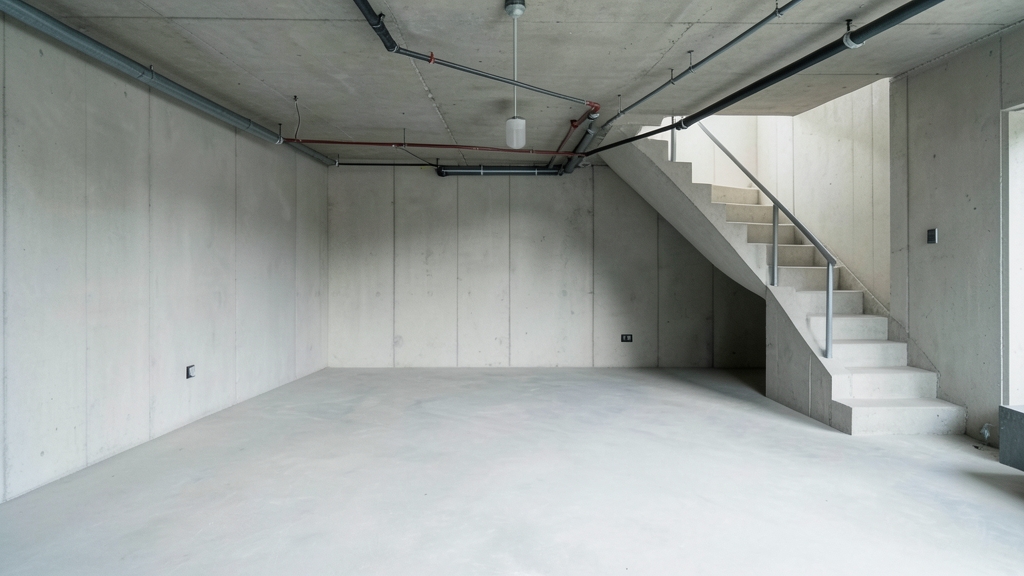
Our arid climate fools many into thinking mold isn’t a risk. But microclimates in basements, crawl spaces, and attics—combined with AC condensation, plumbing leaks, or poor ventilation—create pockets of humidity where spores thrive.
Monsoon season brings sudden moisture surges, while older homes in Scottsdale or Cave Creek often lack modern vapor barriers. Even new builds in Carefree can trap moisture in wall cavities if not properly sealed during construction.
The Critical Steps: From Inspection to Clearance
True mold remediation starts with a thorough inspection. We use thermal imaging and moisture meters to detect hidden water intrusion behind drywall, under flooring, or in HVAC systems—areas visible inspections miss.
Our Full-Cycle Mold Remediation Process
- Comprehensive mold inspection and moisture mapping
- Containment setup with negative air pressure
- HEPA vacuuming and antimicrobial treatment of affected surfaces
- Encapsulation of structural wood if needed
- Post-remediation verification (PRV) with air and surface testing
- Clearance testing by an independent third-party lab
Containment: The Non-Negotiable First Line of Defense
Improper containment turns a localized mold problem into a home-wide contamination. We deploy 6-mil polyethylene sheeting and airlock chambers to isolate work zones, paired with HEPA air scrubbers to capture airborne spores before they spread.
Negative air pressure ensures spores are pulled *into* the containment, not out. This is especially critical in multi-level homes or shared buildings in Phoenix or Scottsdale, where spores can travel through HVAC systems.
Disturbing mold without containment releases spores into living spaces, worsening exposure. Improper cleaning with bleach can also mask the problem without killing root structures.
Remediation Methods: What Works (and What Doesn’t)
Not all mold requires the same approach. Porous materials like drywall or insulation often need removal, while non-porous surfaces (tile, glass) can be cleaned with antimicrobial solutions. Structural wood may be salvaged with encapsulation if the infestation is superficial.
| Material | Recommended Action | Why |
|---|---|---|
| Drywall | Remove and replace | Porous; spores penetrate deeply and cannot be fully cleaned |
| Concrete | HEPA sanding + antimicrobial sealant | Non-porous surface but may harbor spores in pores |
| Wood (structural) | Encapsulation after cleaning | Salvageable if infestation is surface-level |
| HVAC Ductwork | Professional duct cleaning + fogging | Spores spread system-wide without thorough treatment |
| Carpet/Padding | Remove and replace | Porous and retains moisture; impossible to fully decontaminate |
Verification: The Only Way to Confirm Success
Remediation isn’t complete until clearance testing proves it. We collect air and surface samples from the remediated area, control areas, and outdoor air for comparison. Labs analyze spore counts and types to confirm levels are within normal ranges.
Third-party testing removes bias. In Paradise Valley, we partner with certified industrial hygienists to ensure objectivity—critical for real estate transactions or insurance claims in Phoenix and surrounding areas.
Always test after remediation, before rebuilding. Also test if you smell musty odors but see no mold—hidden colonies often lurk in wall cavities or under flooring.
Preventing Recurrence: Moisture Control Is Key
Mold returns if the moisture source isn’t addressed. We identify and fix the root cause—whether it’s a leaky pipe, poor attic ventilation, or grading issues directing water toward your foundation.
In crawl spaces, we install vapor barriers and dehumidifiers. For attics, we ensure proper insulation and soffit vents to prevent condensation. Basements in older Scottsdale homes may need French drains or sump pumps.
Commercial Mold Remediation: Unique Challenges
Offices, schools, and healthcare facilities in Paradise Valley and Phoenix face stricter regulations and higher liability risks. We work around business hours, use faster-drying techniques, and provide detailed documentation for compliance.
HVAC systems in commercial buildings are major vectors. We often recommend duct cleaning and antimicrobial fogging to prevent system-wide contamination, especially in high-traffic areas like Scottsdale retail spaces.
How to Prepare for Professional Mold Remediation
A little prep ensures the process is efficient and thorough.
- 1Clear the Area
Remove furniture, decor, and personal items from the affected space. This allows full access to walls, floors, and ceilings.
- 2Turn Off HVAC
Prevent spores from spreading through vents. Cover supply and return registers with plastic sheeting.
- 3Address Water Sources
Fix leaks or standing water immediately. Our team can help identify hidden moisture, but active leaks must be stopped first.
- 4Plan for Temporary Relocation
For large infestations, especially in living areas, consider staying elsewhere during remediation. Containment reduces risk, but sensitivity varies.
- 5Arrange for Pets
Pets are often more sensitive to spores and chemicals. Keep them out of the work zone and off-site if possible.
- 6Review the Remediation Plan
We’ll walk you through containment, methods, and timelines. Ask questions—understanding the process ensures peace of mind.
Frequently Asked Questions
How long does mold remediation take in Paradise Valley?
Timelines vary by scope. A contained bathroom project may take 1–3 days, while whole-home remediation with structural drying can span 1–2 weeks. The verification phase adds another 2–5 days for lab results.
Is mold remediation covered by insurance?
Coverage depends on your policy and the cause. Sudden water damage (e.g., burst pipes) is often covered, but long-term moisture issues or neglect typically aren’t. We provide detailed reports to support your claim—request a quote to discuss specifics.
Can I stay in my home during remediation?
For small, contained projects, yes—with proper containment. For extensive infestations (e.g., attic or crawl space mold affecting HVAC), we recommend temporary relocation, especially for sensitive individuals like children, elderly, or those with respiratory conditions.
What’s the difference between mold testing and inspection?
Inspection identifies visible mold, moisture sources, and problem areas. Testing (air or surface sampling) quantifies spore types and concentrations. We often combine both: inspection to locate issues, testing to confirm the extent and verify remediation success.
How do I know if mold is toxic?
The term ‘toxic mold’ is misleading—all mold can cause health effects in high concentrations. Stachybotrys (black mold) and certain Aspergillus species produce mycotoxins, but the real concern is exposure levels. Lab testing identifies species; clearance testing confirms safe spore counts post-remediation.
Do you serve areas beyond Paradise Valley?
Yes. We provide mold remediation, testing, and prevention services across the Valley, including Phoenix, Scottsdale, Cave Creek, and Carefree. Local climate and building styles vary, but our protocols adapt to each home’s unique conditions.