Why Air Quality Testing Is Critical for Effective Mold Remediation in Paradise Valley
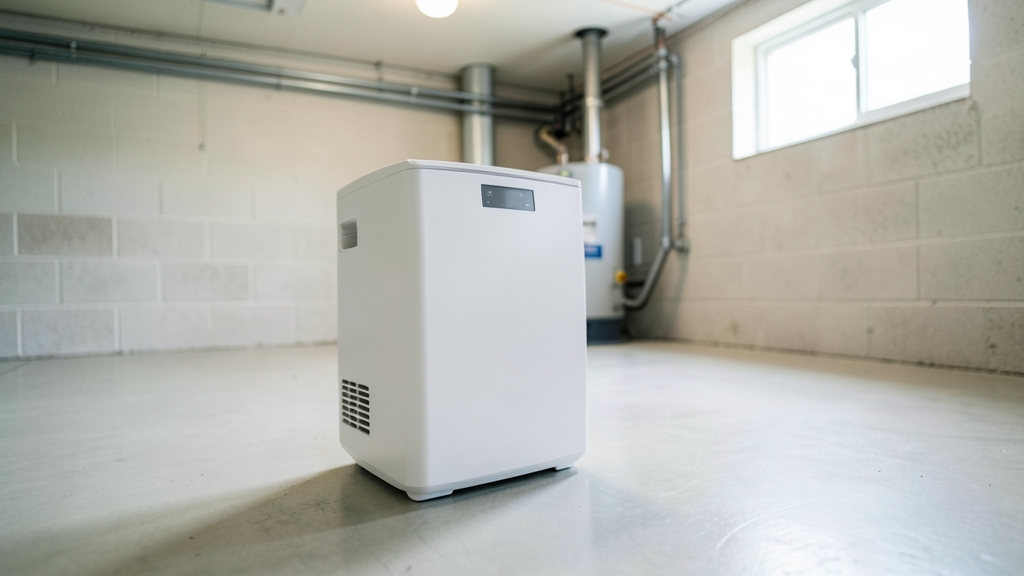
Mold isn’t just a surface problem—it’s an airborne threat. In Paradise Valley’s dry climate, hidden moisture in walls, attics, or crawl spaces can fuel mold growth that spreads unseen through your HVAC system. Air quality testing is the only way to confirm what’s lurking in your air and whether remediation worked.
How Mold Spores Travel Through Your Paradise Valley Home
Mold reproduces via microscopic spores that float through the air, settling on surfaces when conditions are right. Even a small, hidden colony in a Scottsdale or Cave Creek home can release thousands of spores into the air daily.
Your HVAC system can act like a superhighway, distributing spores from a damp basement in Phoenix to every room. Without air quality testing, you won’t know the extent of contamination—or whether it’s reached dangerous levels.
Pre-Remediation Testing: The Baseline You Can’t Skip
Before any mold removal begins, we collect air samples to establish a spore count baseline. This tells us the types and concentrations of mold present, including toxic varieties like Stachybotrys (black mold).
We also test for mycotoxins—harmful compounds produced by certain molds that can linger even after the mold itself is gone. This data guides our remediation plan, especially for sensitive groups like children, the elderly, or those with respiratory issues.
Visual mold is just the tip of the iceberg. Up to 50% of mold problems in Paradise Valley homes are hidden behind walls or under flooring. Air testing reveals what your eyes can’t see.
Post-Remediation Verification: Proving the Job Is Done
After mold removal, we retest the air to confirm spore levels have returned to normal, safe ranges. This step is non-negotiable—it’s the only way to verify that containment, HEPA filtration, and cleaning were effective.
In Paradise Valley’s low-humidity environment, rebound growth is less common but still possible if moisture issues aren’t fully resolved. Post-testing catches this before it becomes a recurring problem.
Air Quality Testing Methods: What We Use and Why
We rely on two primary testing methods: non-viable air sampling (spore trap analysis) and viable air sampling (culture-based). Spore traps capture all particles in the air, while viable sampling identifies living mold species that can grow in a lab.
For deeper insights, we may use ERMI (Environmental Relative Moldiness Index) or PCR (Polymerase Chain Reaction) testing. ERMI compares your home’s mold DNA to a national database, while PCR detects specific mold species at the genetic level.
| Method | Detects | Turnaround Time | Best For |
|---|---|---|---|
| Non-Viable (Spore Trap) | All spores (viable and non-viable) | 24-48 hours | General spore count and identification |
| Viable (Culture-Based) | Living mold species | 5-7 days | Identifying specific mold types and toxicity |
| ERMI (DNA-Based) | Mold species via DNA | 1-2 weeks | Comprehensive mold comparison to national standards |
| PCR Testing | Specific mold species at genetic level | 3-5 days | Targeted detection of harmful molds like Stachybotrys |
When to Test: Key Moments in the Remediation Process
Air quality testing isn’t a one-time event. We test before remediation to assess the scope, during the process to monitor containment, and after to verify success. Skipping any step risks incomplete removal.
You should also test if you notice musty odors, unexplained health symptoms (like allergies or respiratory issues), or after water damage—even if it’s been dried. Paradise Valley’s monsoon season can introduce moisture that leads to hidden mold growth weeks later.
Signs You Need Air Quality Testing for Mold
- Visible mold growth on walls, ceilings, or in basements/crawl spaces
- Musty or earthy odors, especially after rain or in rarely used rooms
- Unexplained allergies, asthma flare-ups, or respiratory issues in occupants
- Recent water damage from leaks, flooding, or high humidity events
- Before purchasing a home in Paradise Valley, Scottsdale, or Phoenix
Moisture Control: The Hidden Key to Long-Term Mold Prevention
Air quality testing often reveals that mold isn’t the only issue—excess moisture is the root cause. In Paradise Valley, poor ventilation in attics or crawl spaces, or AC condensate line leaks, can create perfect conditions for mold.
We use moisture meters and thermal imaging to locate hidden water sources. Fixing these issues—whether it’s improving drainage, sealing leaks, or installing dehumidifiers—prevents mold from returning after remediation.
After remediation, maintain indoor humidity below 50% with dehumidifiers, especially in basements and crawl spaces. Regular HVAC maintenance also reduces spore circulation.
Commercial vs. Residential Testing: What’s the Difference?
Commercial buildings in Paradise Valley, Scottsdale, or Phoenix often require more extensive testing due to larger HVAC systems and higher occupant density. We may use multiple sampling points to account for varying conditions across floors or zones.
Residential testing is typically more localized, focusing on problem areas like bathrooms, kitchens, or attics. However, both require the same rigor to ensure accuracy and safety.
What Your Air Quality Test Results Mean
Test results include spore counts (usually in spores per cubic meter), species identification, and comparisons to outdoor air or control samples. Elevated indoor spore counts—especially of water-loving molds like Aspergillus or Penicillium—indicate an active problem.
We interpret these results in the context of your home’s history, occupancy, and local conditions. For example, a high count of Cladosporium might be normal outdoors in Arizona but problematic if found indoors at elevated levels.
How to Prepare for Professional Air Quality Testing
A few simple steps ensure accurate results and a smooth testing process.
- 1Close Windows and Doors
Keep all windows and external doors closed for at least 12 hours before testing to prevent outdoor spores from skewing results.
- 2Turn Off Air Purifiers
Switch off HEPA filters, air purifiers, or ionizers 24 hours prior. These can temporarily reduce spore counts, masking the true problem.
- 3Avoid Cleaning
Don’t dust, vacuum, or use fans for 24 hours before testing. These activities can stir up spores, leading to false elevations in samples.
- 4Note Problem Areas
Point out any visible mold, water stains, or musty odors to the technician. This helps them target sampling locations effectively.
- 5Secure Pets
Keep pets in a separate area during testing to prevent interference with equipment or samples.
Frequently Asked Questions
How long does air quality testing for mold take in Paradise Valley?
The on-site sampling process takes about 30-60 minutes, depending on the size of your home or building. Lab analysis typically adds 24-48 hours for spore traps or up to a week for culture-based tests.
Can I do my own air quality testing for mold?
DIY test kits are available, but they lack the precision and expertise of professional testing. Misinterpretation of results can lead to missed contamination or unnecessary panic. We use calibrated equipment and follow strict protocols for accuracy.
Is air quality testing required after mold remediation in Arizona?
While not legally required, post-remediation testing is the industry standard to verify success. Many Paradise Valley homeowners and commercial property managers request it for peace of mind—and to ensure the job meets insurance or real estate transaction requirements.
What’s the difference between mold testing and air quality testing?
Mold testing can refer to surface or bulk sampling (e.g., swabbing a wall), while air quality testing specifically measures airborne spores and mycotoxins. Both are often used together for a complete assessment, especially in areas like attics or crawl spaces.
How much does air quality testing for mold cost in Paradise Valley?
Costs vary based on the size of the property, number of samples, and testing methods used. Factors like ERMI or PCR testing, rush lab fees, or commercial-scale projects also influence the total. Request a quote for an accurate estimate tailored to your needs.
Can air quality testing detect hidden mold in my Phoenix or Scottsdale home?
Yes. Elevated spore counts in air samples often indicate hidden mold, even if it’s not visible. We combine air testing with moisture mapping and thermal imaging to pinpoint the source, whether it’s in walls, under flooring, or in HVAC ductwork.